Best Time for Roof Flashing Replacements
Roof flashing replacements are most effectively performed during mild weather conditions. Optimal timing typically occurs in late spring or early fall when temperatures are moderate and there is minimal precipitation. These periods allow for proper installation without the complications of extreme heat, cold, or rain, which can affect the quality of the work and the longevity of the materials.
Performing roof flashing replacements during suitable weather conditions reduces the risk of delays and ensures the sealant and materials set properly. Weather extremes can compromise the integrity of the installation, leading to potential leaks or damage over time. Therefore, scheduling during stable weather contributes to the durability and effectiveness of the flashing system.
Spring and fall offer the best conditions for roof flashing replacements, with moderate temperatures and less precipitation.
Extreme heat can cause materials to expand and contract, while cold weather can hinder sealing and adhesion.
Proper timing ensures the materials cure correctly, extending the lifespan of the flashing system.
Scheduling during stable weather minimizes delays and reduces the risk of rework due to weather-related issues.
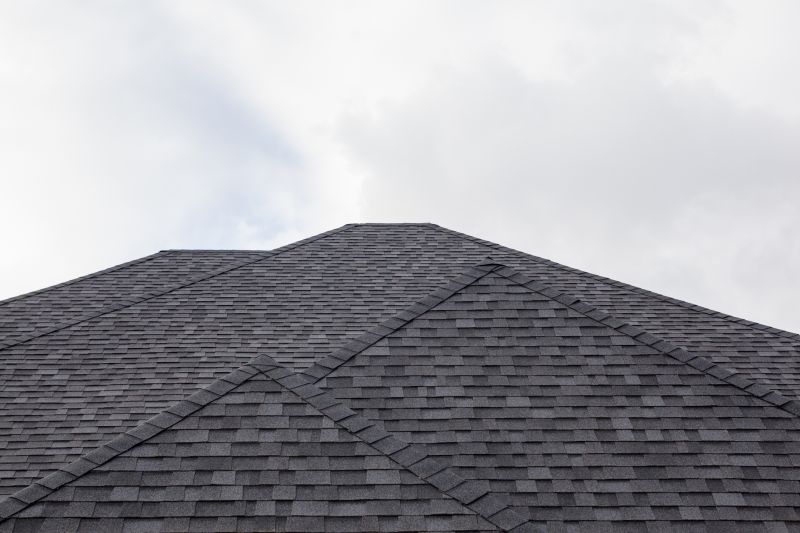
Spring offers moderate temperatures ideal for effective flashing installation.

Autumn provides cooler weather with less humidity, suitable for replacements.
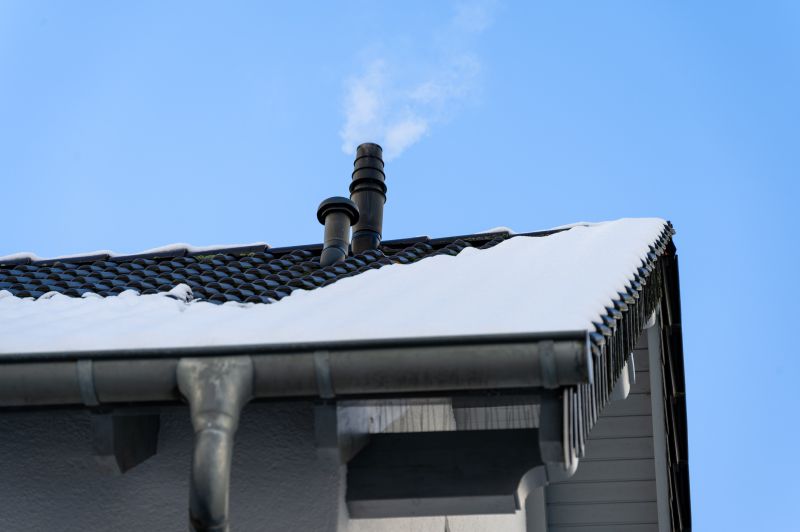
Avoid installation during extreme heat, cold, or rainy days for best results.
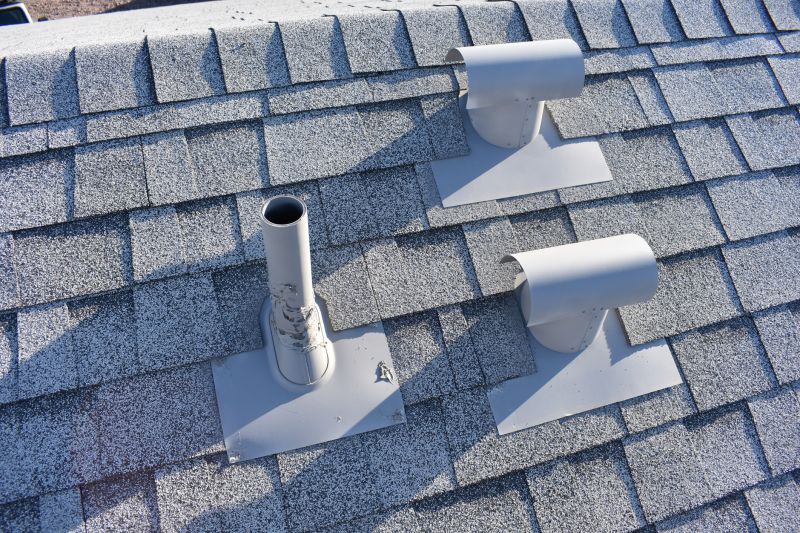
Ways to make Roof Flashing Replacements work in tight or awkward layouts.
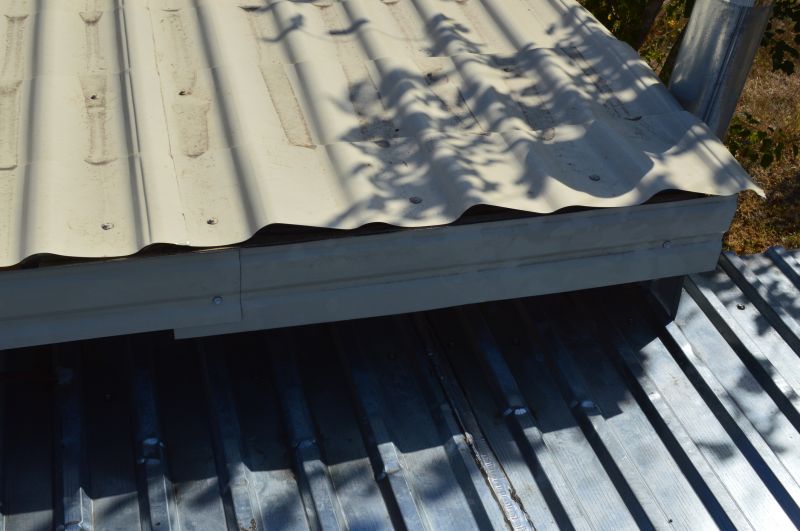
Popular materials for Roof Flashing Replacements and why they hold up over time.
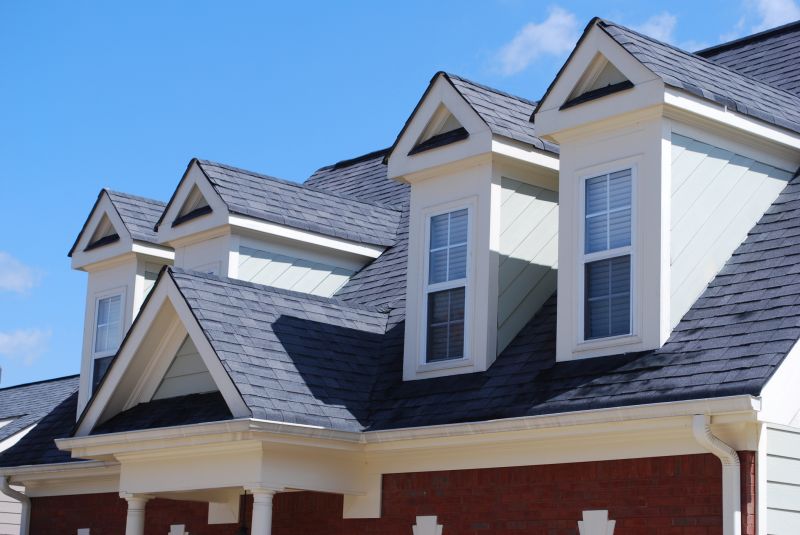
Simple add-ons that improve Roof Flashing Replacements without blowing the budget.
Roof flashing is a critical component in preventing water intrusion around roof penetrations, chimneys, and valleys. Proper installation and timely replacement protect the structural integrity of a building and prevent costly damages caused by leaks. The longevity of roof flashing depends heavily on correct timing, weather conditions, and quality materials used during installation.
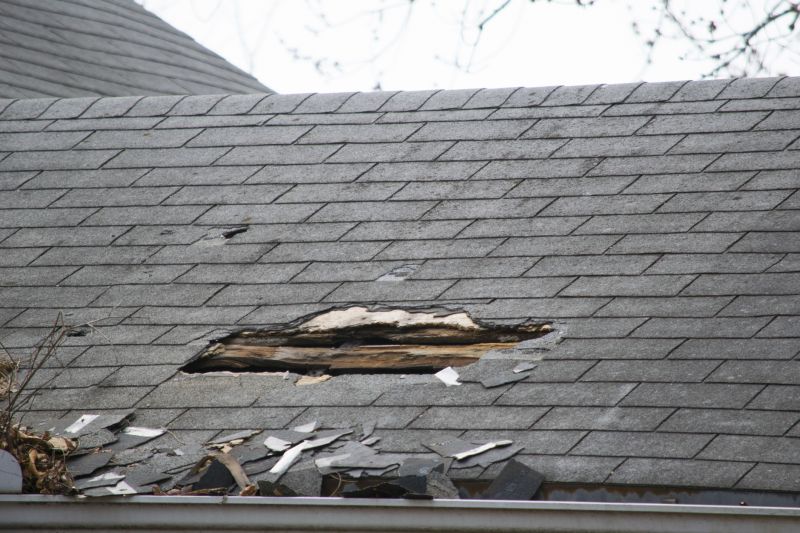
Corrosion or cracking can lead to leaks and water damage.
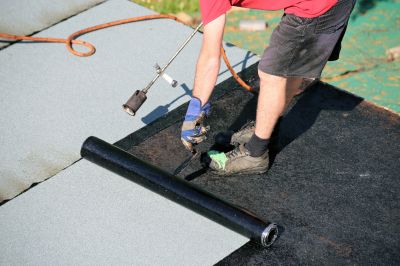
Properly installed flashing provides a sealed barrier against water intrusion.
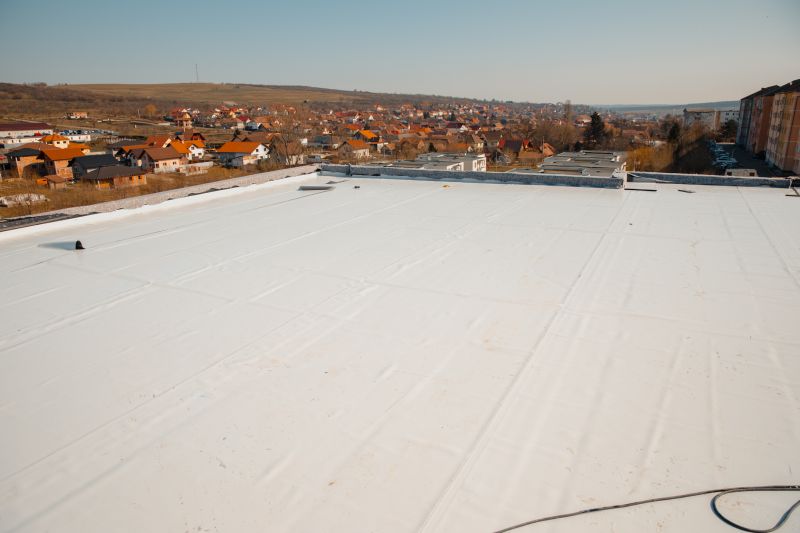
High-quality materials withstand weather extremes and prolong lifespan.
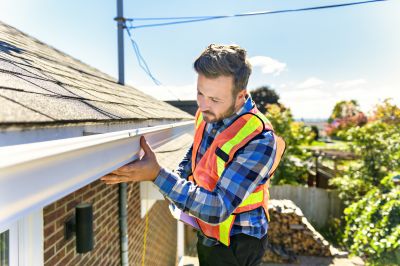
Regular inspections help identify issues before replacement is necessary.
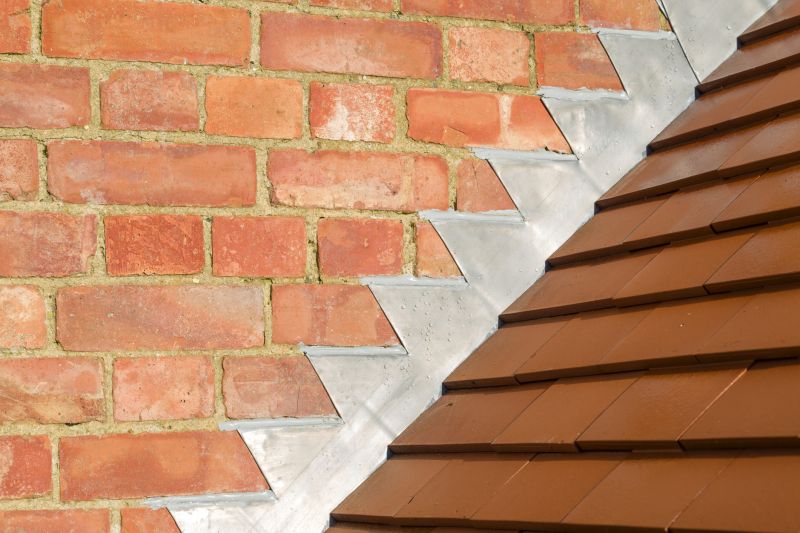
High-end options that actually feel worth it for Roof Flashing Replacements.
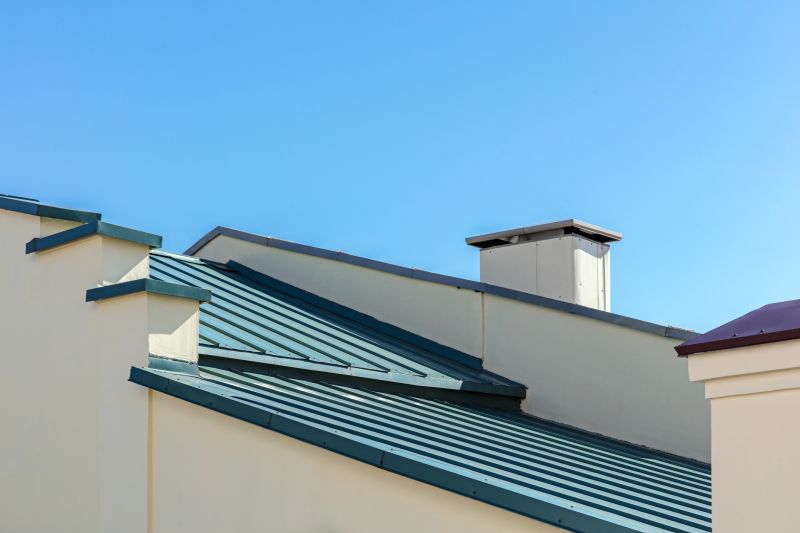
Finishes and colors that play nicely with Roof Flashing Replacements.
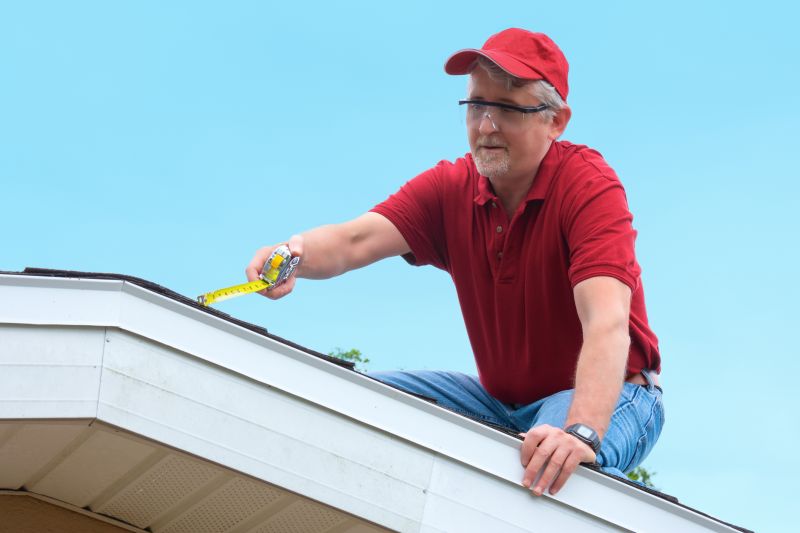
Little measurements that prevent headaches on Roof Flashing Replacements day.
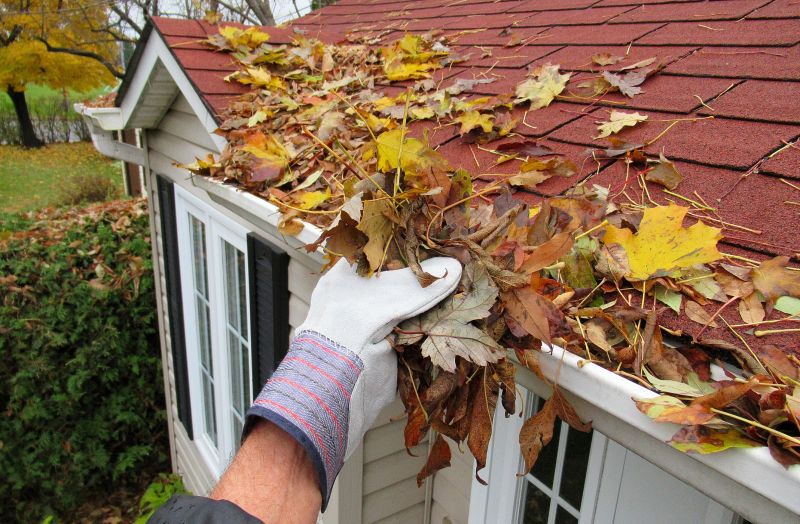
A 60-second routine that keeps Roof Flashing Replacements looking new.
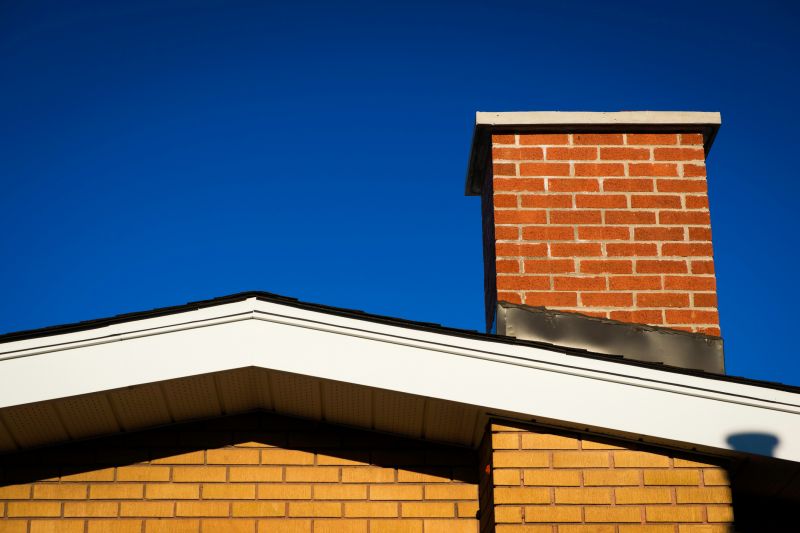
A frequent mistake in Roof Flashing Replacements and how to dodge it.
Small tweaks to make Roof Flashing Replacements safer and easier to use.
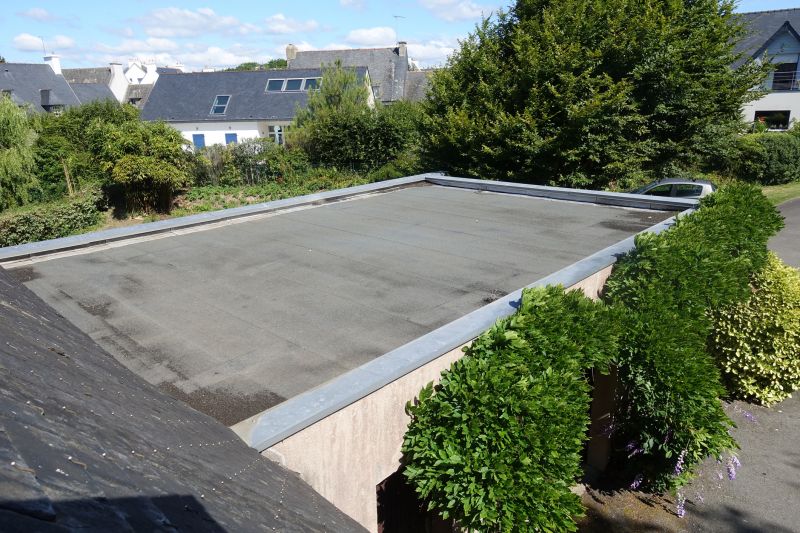
Lower-waste or water-saving choices for Roof Flashing Replacements.
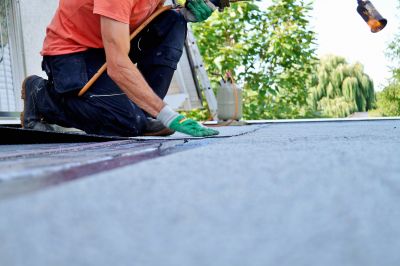
The short, realistic tool list for quality Roof Flashing Replacements.
| Season | Ideal Conditions |
|---|---|
| Spring | Moderate temperatures, low humidity, minimal rain. |
| Summer | Potential for high heat and storms; less ideal. |
| Fall | Cooler temperatures, dry weather, good for installation. |
| Winter | Cold temperatures and snow can hinder work. |
| Late Spring | Optimal for installation with stable weather. |
| Early Fall | Good timing before cold weather sets in. |
Choosing the right time for roof flashing replacements ensures a durable, long-lasting seal that protects the building from water damage. Proper planning around weather conditions minimizes delays and enhances the quality of installation. Regular maintenance and inspections can extend the lifespan of roof flashing systems, maintaining the integrity of the roof over time.
Interested in scheduling roof flashing replacements? Filling out the contact form provides a convenient way to discuss options and plan for optimal timing based on local weather patterns and specific roofing needs.