Common Roof Flashing Problems That Lead to Water Damage
To prevent water damage caused by common roof flashing problems, local contractors can properly install or repair flashing to keep your roof watertight.
Homeowners and property managers exploring the topic of common roof flashing problems that lead to water damage are taking an important step toward protecting their investments. Roof flashing plays a critical role in directing water away from vulnerable areas, but when issues arise-such as deterioration, improper installation, or damage-it can result in leaks and costly repairs. Understanding these common problems can help property owners identify potential issues early and ensure their roofs remain watertight. Local contractors experienced in roof flashing installation can assess existing conditions and provide solutions to prevent water intrusion, making this a valuable area of focus for those seeking to maintain the integrity of their buildings.
Exploring the causes of roof flashing problems is especially relevant for property owners facing frequent weather changes or those with older roofs, where wear and tear are more likely to occur. Proper installation and timely repairs are essential to avoid water damage that can compromise the structure and interior spaces. Local service providers who specialize in roof flashing installation are equipped to address these issues, whether through repairs or complete replacements. Keeping informed about common flashing problems empowers property owners to take proactive steps, ensuring their roofs stay resilient against water intrusion and the costly consequences that come with it.
- Roof flashing installation - needed when existing flashing has deteriorated or failed to prevent leaks around roof edges and penetrations; local contractors can replace or upgrade flashing to ensure proper water diversion.
- Roof flashing repair - required if flashing has shifted, cracked, or rusted, leading to potential water entry; local service providers assess the damage and restore flashing integrity.
- New roof flashing installation - essential during roof replacement or remodels to address common roof flashing problems that lead to water damage; local pros install correctly sealed flashing to protect the roof structure.
- Flashing sealing and waterproofing - necessary when flashing joints or seams show signs of wear, which can cause leaks; local contractors apply sealing techniques to improve waterproofing.
- Custom flashing solutions - used when standard flashing does not fit complex roof designs or problem areas prone to water intrusion; local service providers craft tailored flashing to prevent water damage.


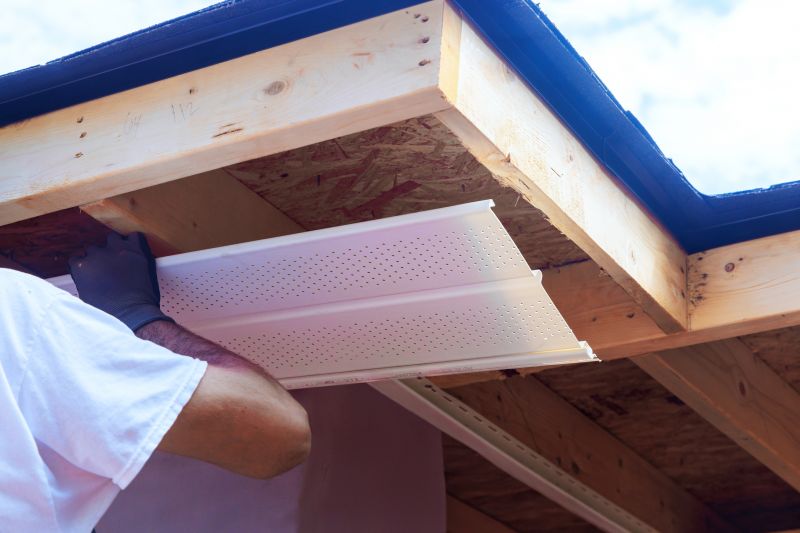
When homeowners search for information on common roof flashing problems that lead to water damage, they are usually concerned about the durability and integrity of their roofing system. Roof flashing is a critical component that seals joints, edges, and penetrations-such as around chimneys, vents, skylights, and valleys-to prevent water from seeping into the structure. When flashing fails or becomes damaged, water can find its way into the home, causing issues like mold, rot, and structural deterioration. This topic is often connected to ongoing maintenance plans or repairs to ensure the roof remains watertight, especially in regions prone to heavy rain or snow.
The problems associated with roof flashing often involve issues like improper installation, corrosion, or physical damage over time. Common roof flashing problems that lead to water damage include cracked or rusted flashing, loose or missing sections, and inadequate sealing around roof penetrations. These issues can develop gradually, especially if flashing was poorly installed initially or exposed to harsh weather conditions. Homeowners might also encounter problems related to flashing that was not properly integrated with other roofing materials, creating vulnerable spots where water can infiltrate. Addressing these issues typically involves inspecting the flashing and replacing or repairing sections to restore proper water resistance.
The types of properties most affected by roof flashing problems are usually residential homes, especially those with complex roof designs, multiple roof penetrations, or older structures. Single-family houses, townhomes, and multi-unit residential buildings are common examples where flashing plays a vital role in protecting the roof. Commercial properties with flat or low-slope roofs may also experience flashing-related issues around roof edges, vents, and skylights. Regardless of property type, the key concern is ensuring that flashing is properly installed and maintained to prevent water infiltration, which can lead to costly repairs if neglected.
Local service providers specializing in roof flashing installation and repair are essential for addressing these common problems. They can perform thorough inspections to identify vulnerable spots and recommend appropriate solutions, such as resealing, replacing damaged flashing, or upgrading to more durable materials. Proper installation by experienced contractors ensures that flashing is correctly integrated with the roofing system, reducing the risk of future water damage. Connecting with local pros provides homeowners with the expertise needed to maintain a watertight roof, protecting the home’s structure and interior from the costly effects of water intrusion.
Roof Repair Projects - These projects often involve identifying and fixing issues with flashing that can cause water leaks and damage, requiring similar skills and tools used in flashing installation.
Gutter and Drainage System Installations - Properly installed gutters and drainage systems work alongside flashing to prevent water intrusion, making this a related skill set for local contractors.
Chimney Flashing Replacement - Replacing or repairing chimney flashing addresses common problem areas that can lead to water damage, requiring expertise similar to roof flashing installation.
Skylight Installation and Repairs - Installing or fixing skylights involves sealing vulnerable roof penetrations, closely related to flashing work to prevent water infiltration.
Roof Inspection Services - These inspections often identify flashing issues that could lead to water damage, and require knowledge of flashing components and vulnerabilities.
Roof Leak Detection and Repair - Detecting and fixing leaks often involves addressing flashing problems that allow water to penetrate, utilizing skills aligned with flashing installation.
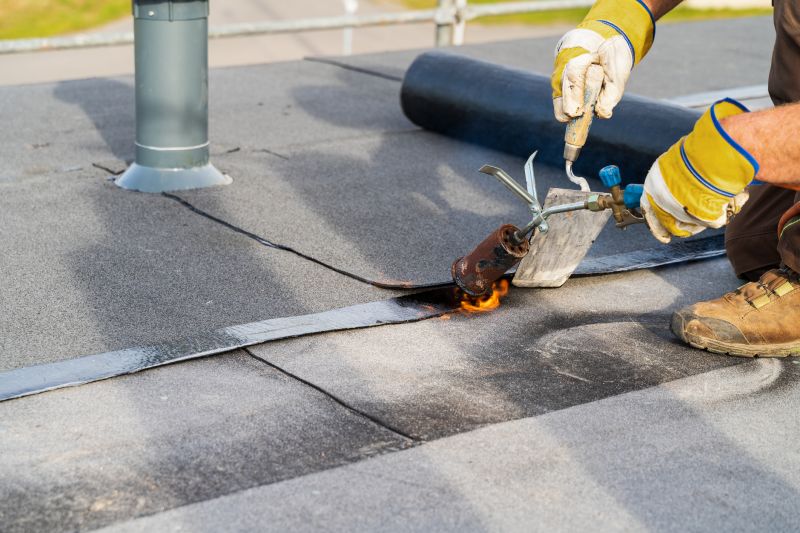
When comparing local contractors for roof flashing installation, it is important to consider their experience with similar projects. A contractor who has handled roof flashing repairs or replacements in homes with comparable roof styles and weather conditions is more likely to understand the nuances involved in addressing common roof flashing problems that lead to water damage. Asking about their previous work on projects similar to yours can provide insight into their familiarity with the specific challenges your roof may face, ensuring that they are equipped to properly install or repair flashing to prevent future issues.
Clear written expectations are essential when evaluating service providers for roof flashing work. A reputable contractor should be able to outline the scope of work, materials to be used, and the steps involved in addressing common roof flashing problems that lead to water damage. Having this information in writing helps prevent misunderstandings and provides a reference point throughout the project. It also demonstrates a professional approach, indicating that the contractor is transparent about their process and committed to delivering results that meet your needs.
Reputable references and effective communication are key factors in choosing the right local contractor. Asking for references from previous clients who had similar work done can offer valuable insights into the quality of craftsmanship and reliability. Good communication ensures that questions and concerns are addressed promptly and clearly, which is especially important when dealing with issues related to roof flashing and water intrusion. A contractor who listens carefully and provides straightforward information can help ensure the installation or repair process is smooth and that potential problems are identified and resolved early.
Property owners often search for common roof flashing problems that lead to water damage when they are planning practical projects around their homes and businesses. Local pros provide Roof Flashing Installation services for everyday jobs and straightforward project options.
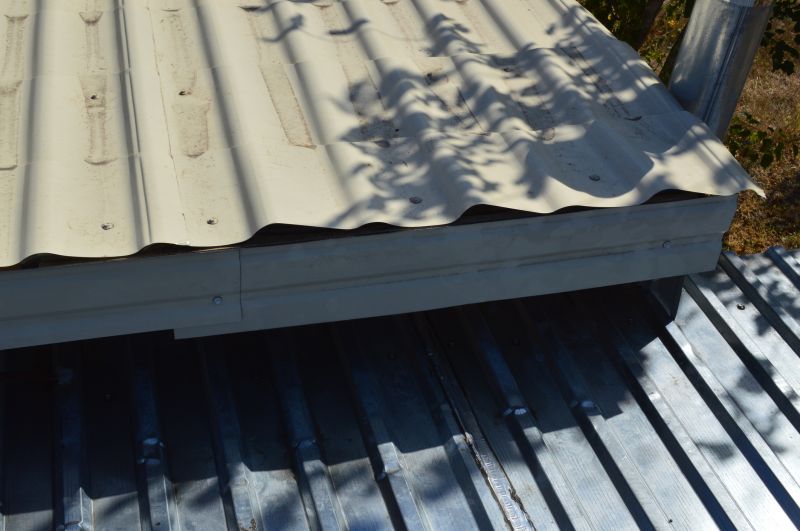
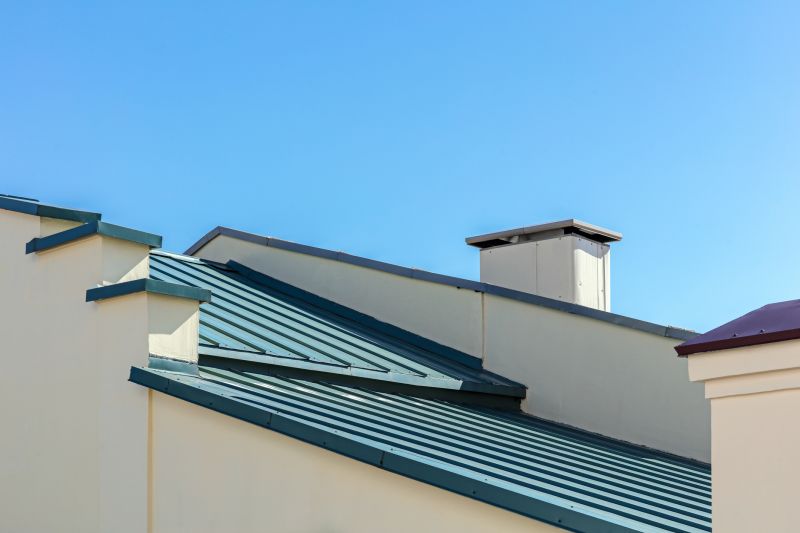
Many property owners in the area search for information on common roof flashing problems that lead to water damage after noticing leaks or water stains inside their homes. These issues often arise from simple installation mistakes, such as improper sealing or inadequate flashing placement around chimneys, vents, or skylights. Over time, exposure to weather conditions can cause flashing materials to corrode, crack, or become loose, increasing the risk of water intrusion. Recognizing these problems early can help homeowners avoid costly repairs, which is why many look into professional roof flashing installation services offered by local contractors who have experience addressing these common issues.
In many cases, property owners consider reaching out to local service providers when they notice signs of water damage or suspect their roof flashing may be compromised. Poorly installed or aging flashing can create vulnerabilities that allow water to seep into the home, especially during heavy rain or snowmelt. Having experienced local contractors handle roof flashing installation ensures that the flashing is properly secured and sealed, reducing the chances of future leaks. Whether replacing old flashing or installing new, these professionals can help address the typical problems that lead to water damage and protect the home’s structure over time.
What are common roof flashing problems that lead to water damage? Common issues include improper installation, cracked or rusted flashing, and gaps or missing sections that allow water intrusion.
How can poor flashing installation cause water leaks? Incorrectly installed flashing can create gaps or misalignments, enabling water to seep into the roof structure and cause damage over time.
What signs indicate that roof flashing may be failing? Signs include water stains on ceilings, mold growth, rust spots on flashing, or visible gaps around roof joints and chimneys.
Why is regular maintenance important for preventing flashing-related water damage? Regular inspections help identify and address issues like corrosion or damage early, preventing costly water damage and extending the lifespan of the roof.
How can local contractors help address common roof flashing problems? Experienced service providers can properly install, repair, or replace flashing to ensure a watertight seal and protect the roof from water damage.
Inspecting flashing regularly - property owners can schedule routine inspections to identify early signs of damage or deterioration, ensuring local contractors can address issues before water leaks develop.
Choosing proper flashing materials - selecting durable, weather-resistant materials during installation helps prevent common roof flashing problems that lead to water damage over time.
Ensuring proper flashing installation - working with experienced local service providers guarantees that flashing is correctly positioned and sealed to prevent water intrusion at vulnerable roof areas.
Addressing existing flashing issues promptly - timely repairs or replacements of damaged or improperly installed flashing by local contractors can protect the roof from costly water damage.
If you are thinking about common roof flashing problems that lead to water damage for a property, this guide is meant to help you understand this topic, the typical project types, and how different options might fit your plans.
When you are ready, you can use the quote form on this page to share a few details about your project. From there, local pros can review the basics and follow up with options that match what you have in mind.